XR glasses
Magic Leap Android XR Smart Glasses Prototype
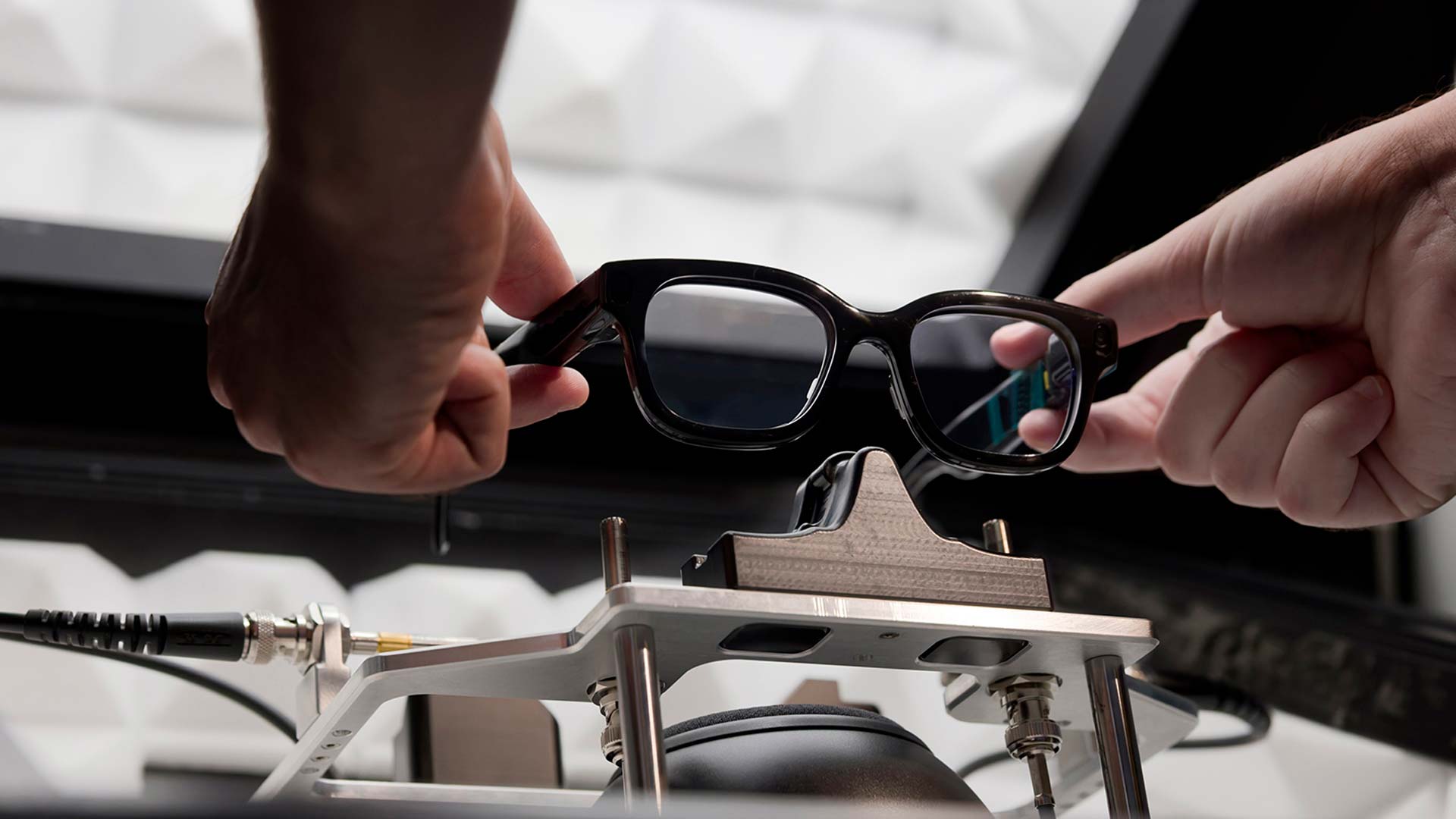
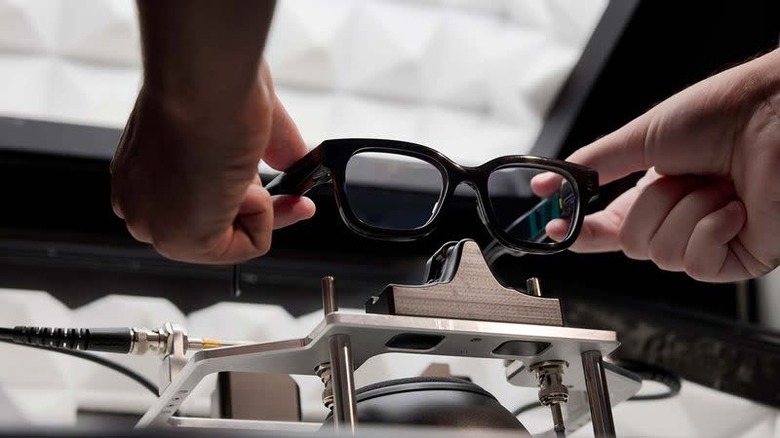
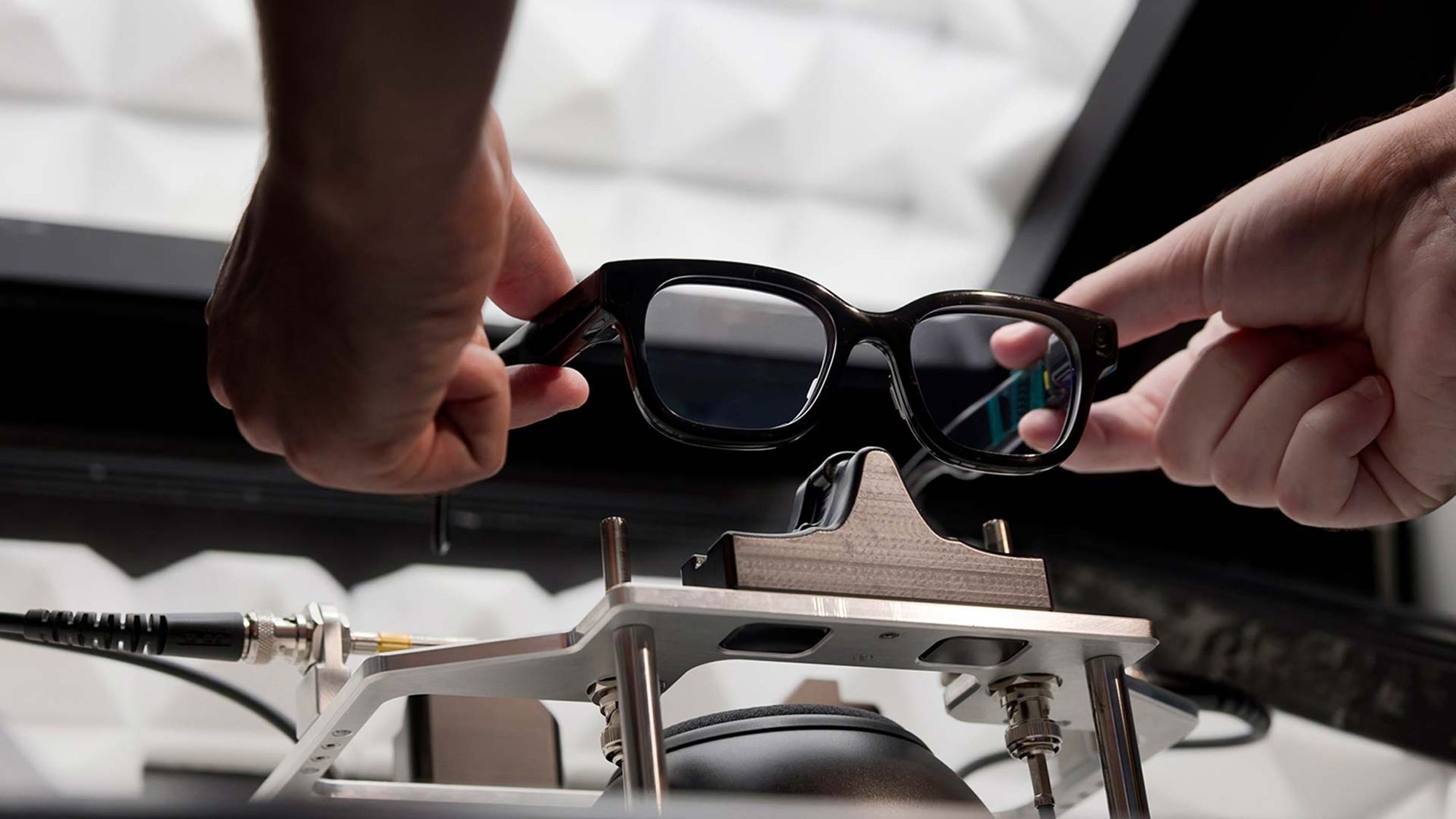
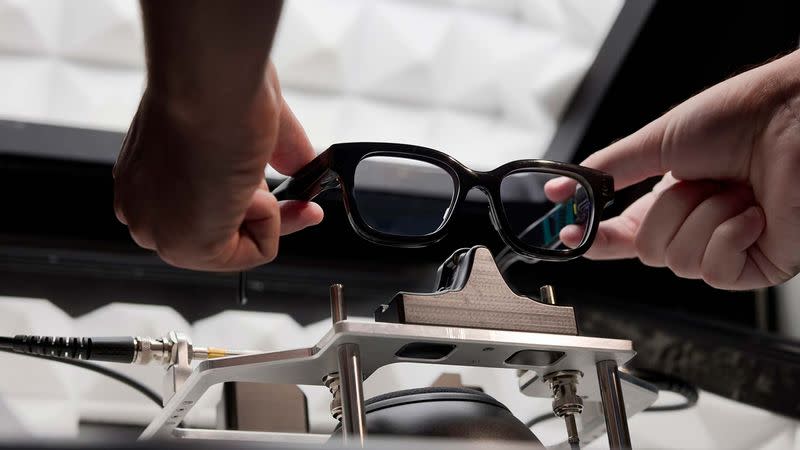
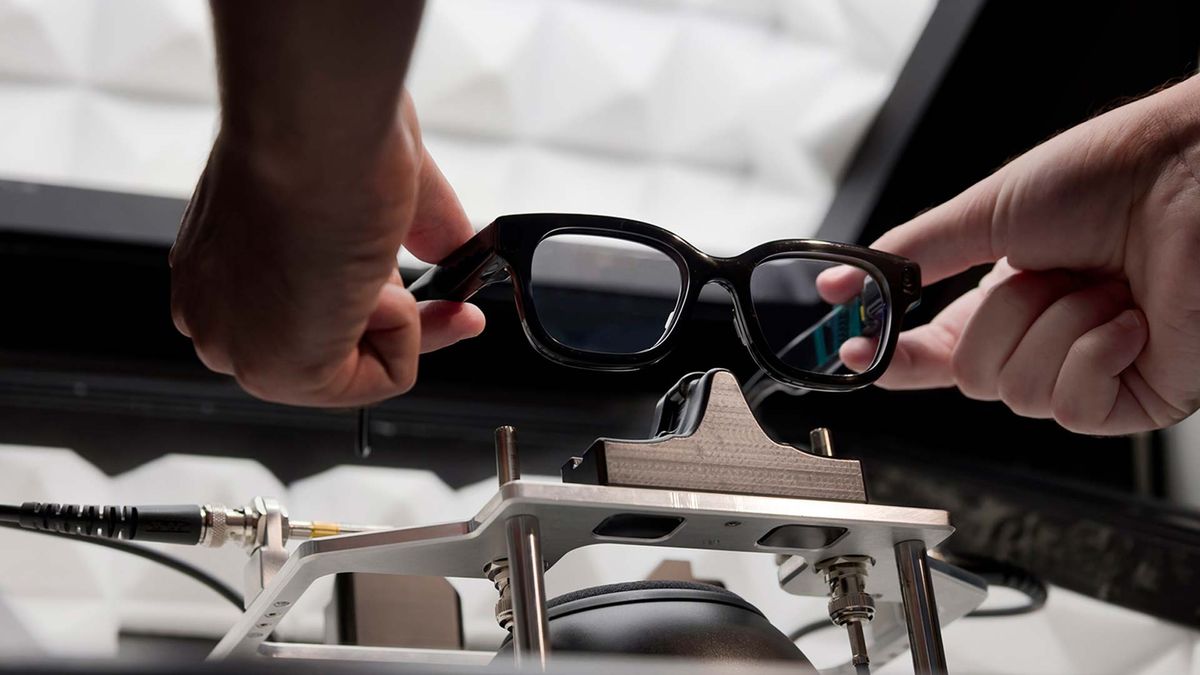
Magic Leap's Android XR Smart Glasses Prototype is a reference design for the Android XR ecosystem, featuring Magic Leap's waveguides and optics combined with Google's Raxium microLED light engine to enable all-day wearable AR. The glasses have thick frames housing electronics and a camera lens on the left side. The prototype emphasizes visual clarity, stability, comfort, and manufacturability, aiming to blend physical and digital vision seamlessly. This development is part of an extended partnership with Google to advance AR glasses technology.
Images
Pros and cons
Pros
Strengths called out by generated product content.
- Combines Magic Leap’s waveguides and optics with Google’s Raxium microLED light engine for sharp, stable, and energy-efficient visuals
- Displays feel naturally anchored in the real world due to precise optics
- Comfortable and stylish design suitable for all-day wear
- Uses Google’s Android XR operating system with integrated Gemini AI for real-time scene analysis and contextual responses
- Features cameras, microphones, and in-lens displays enabling hands-free interaction and information access
- Lightweight design targeting under 50 grams
- Prototype serves as a reference design for the Android XR ecosystem to guide other manufacturers
- Supports multimodal AI for enhanced user presence and functionality
- Enterprise use cases show benefits like faster training and clearer remote assistance through spatial notes
Cons
Tradeoffs and constraints to review before choosing.
- Unclear availability and pricing as the product is currently a prototype
- Potential concerns about content scarcity and battery life
- Still early in development, requiring more time before full-color, socially acceptable smart glasses are widely available
Notes
Context that does not fit neatly as a pro or con.
- Designed as a prototype and reference design rather than a consumer product
- Collaboration between Magic Leap and Google aims to advance the Android XR ecosystem
- Demonstrations highlight future AR capabilities rather than finalized features
Release Date
Display Specs
- Display Resolution (per eye)
- Not disclosed2
- Display Type
- Google Raxium microLED light engine, Magic Leap waveguides, Magic Leap waveguides and Google Raxium microLED light engine, Magic Leap’s waveguides and optics combined with Google’s Raxium microLED light engine, MicroLED, microLED with waveguides and optics, Raxium microLED light engine, Waveguides, Google’s Raxium microLED light engine, Magic Leap waveguides and optics combined with Google's Raxium microLED light engine, optics, waveguide optics3
- Field of View
- 50 deg1
- Refresh Rate
- 60 Hz2
- Brightness
- 0 nits2
- Display Device Type
- microLED light engine with waveguides and optics2
Dimensions
Weight
Battery
- Battery Life
- 0 hours2
Camera
Processor & Compute
- Chipset
- Google Raxium microLED light engine1
- Compute Architecture
- Compute Pack
- Combination of Magic Leap’s waveguides and optics with Google’s Raxium microLED light engine, Google Raxium microLED light engine, Magic Leap waveguides and optics2
- Compute Device Processor
- Google's Raxium microLED light engine3
Connectivity
- Connectivity
- Android XR operating system, Android XR ecosystem, camera, microphones, speakers, Bluetooth, Wi-Fi2
Controls & User Interface
- Controls
- camera, microphones
Ergonomics & Fit
- Form Factor
- Thick frames to house electronics, eyewear-style, eyewear-style glasses, Glasses, Monocular, monocular design, Thick frames, Smart glasses2
- Frame Material
- Plastic (implied by thick frames accommodating electronics), Thick frames to house electronics2
- Frame Style
- Thick frames, Thick frames to accommodate electronics4
- Design
- Ergonomic Design
- Yes2
Software & Platform
Product Info & Variants
- Prototype Description
- all-day wearable AR experiences, combining Magic Leap's waveguides and optics with Google's Raxium microLED light engine, reference design for the Android XR ecosystem3
- Notes
- Aims for all-day wearable AR, Aims for all-day wearable AR experiences, All-day wearable AR, all-day wearable AR devices, and manufacturability, Camera lens on left side, Camera lens on the left side, Collaboration extends partnership with Google, Collaboration with Google leveraging Raxium microLED light engine, Collaboration with Google to extend partnership, Combines Magic Leap optics with Google's Raxium microLED light engine, Combines Magic Leap waveguides and optics with Google's Raxium microLED light engine, Combines Magic Leap’s waveguides and optics with Google’s Raxium microLED light engine, comfort, Created for all-day wearable AR experiences, Designed for all-day wearable AR, Designed for all-day wearable AR experiences, Developed in collaboration with Google, Focus on all-day wearable AR experiences, Focus on all-day wearable AR with AI integration, Focus on lightweight, Focus on lightweight and comfort, Integrates AI capabilities potentially powered by Google’s Gemini models, Integration of AI capabilities potentially powered by Google's Gemini models, Integration of Magic Leap’s waveguides and optics with Google’s Raxium microLED light engine, Left side has a camera lens, Left side has camera lens, Left side has what appears to be a camera lens, Left side has what looks like a camera lens, Lightweight, Monocular design, Monocular design weighing under 50 grams, No consumer launch date announced yet, Prototype aims to balance visual quality, Prototype and reference design for Android XR ecosystem, Prototype and reference design for the Android XR ecosystem, Prototype intended to support other companies building AR glasses, Prototype serves as a reference design for the Android XR ecosystem, Prototype serves as blueprint for future consumer AR eyewear, Prototype shown at Future Investment Initiative in Riyadh, Prototype similar to Ray-Ban Meta glasses, Reference design for Android XR ecosystem, Reference design for the Android XR ecosystem, Similar in style to Ray-Ban Meta glasses, Thick frames to accommodate electronic components, Thick frames to accommodate electronics, Thick frames to house electronic components, under 50 grams, potentially powered by Google’s Gemini models, Supports AI capabilities, Collaboration leverages Magic Leap’s optics and Google’s microLED technology, Developed as a reference design for the Android XR ecosystem, Prototype weighs under 50 grams, Thick frames to house onboard electronics, AI capabilities integrated, AI capabilities integration, AI capabilities potentially powered by Google’s Gemini models, All-day wearable AR experience focus, and in-lens display, Collaboration with Google leveraging Raxium microLED technology, Combines Magic Leap waveguides and optics with Google Raxium microLED light engine, Developed in partnership with Google, Includes camera, microphones, potentially powered by Google Gemini models, Prototype device, Supports all-day wearable AR experiences, Thick frames to house electronics, Uses Google’s Android XR operating system, AI integration with Google’s Gemini models, Camera lens located on the left side, Collaboration between Magic Leap and Google, Focus on all-day wearable AR, Lightweight and comfortable for all-day wear, Uses Magic Leap waveguides and optics combined with Google's Raxium microLED light engine435
- Features
- Reference Design for Android XR Ecosystem, 3D Mode, 6DoF, AI Integration, AI Model Gemini, All-day wearable AR, All-day wearable AR display technology, Android XR operating system, Audio, Camera, Camera lens on left side, Camera on left side, Combines Magic Leap’s waveguides and optics with Google’s Raxium microLED light engine, Designed for all-day wearable AR, Developing display technologies for all-day wearable AR, Dual grayscale depth cameras, Front-facing Cameras, Google Raxium microLED light engine, Google’s Raxium microLED light engine, Hand Gesture, In-lens display, Lightweight design, Magic Leap waveguides and optics, Magic Leap’s waveguides and optics, Microphone, Microphones, Monocular design, Speakers, Thick frames to house electronics, Uses Google's Android XR operating system, Video Recording, Waveguides and optics, Waveguides and optics by Magic Leap, Waveguides and optics technology, AI integration with Google Gemini models, AI Model, All-day wearable AR design14
Visual & Optical
Reference & Certification
Facts
Sources
- Open
Source 1magicleap.commagicleap.com10 facts
- Open
Source 2engadget.comengadget.com21 facts
Display Resolution (per eye)Refresh RateBrightnessDisplay Device TypeBattery LifeCamera ResolutionCamera PlacementCompute ArchitectureCompute PackConnectivityForm FactorFrame MaterialDesignErgonomic DesignOperating SystemDeveloper SDK AccessCompatibilityOpticsReference Design for Android XR EcosystemHeadset DesignDisplay - Open
Source 3webpronews.comwebpronews.com12 facts
- Open
Source 4newsbytesapp.comnewsbytesapp.com9 facts