XR glasses
Rayneo X3 Pro
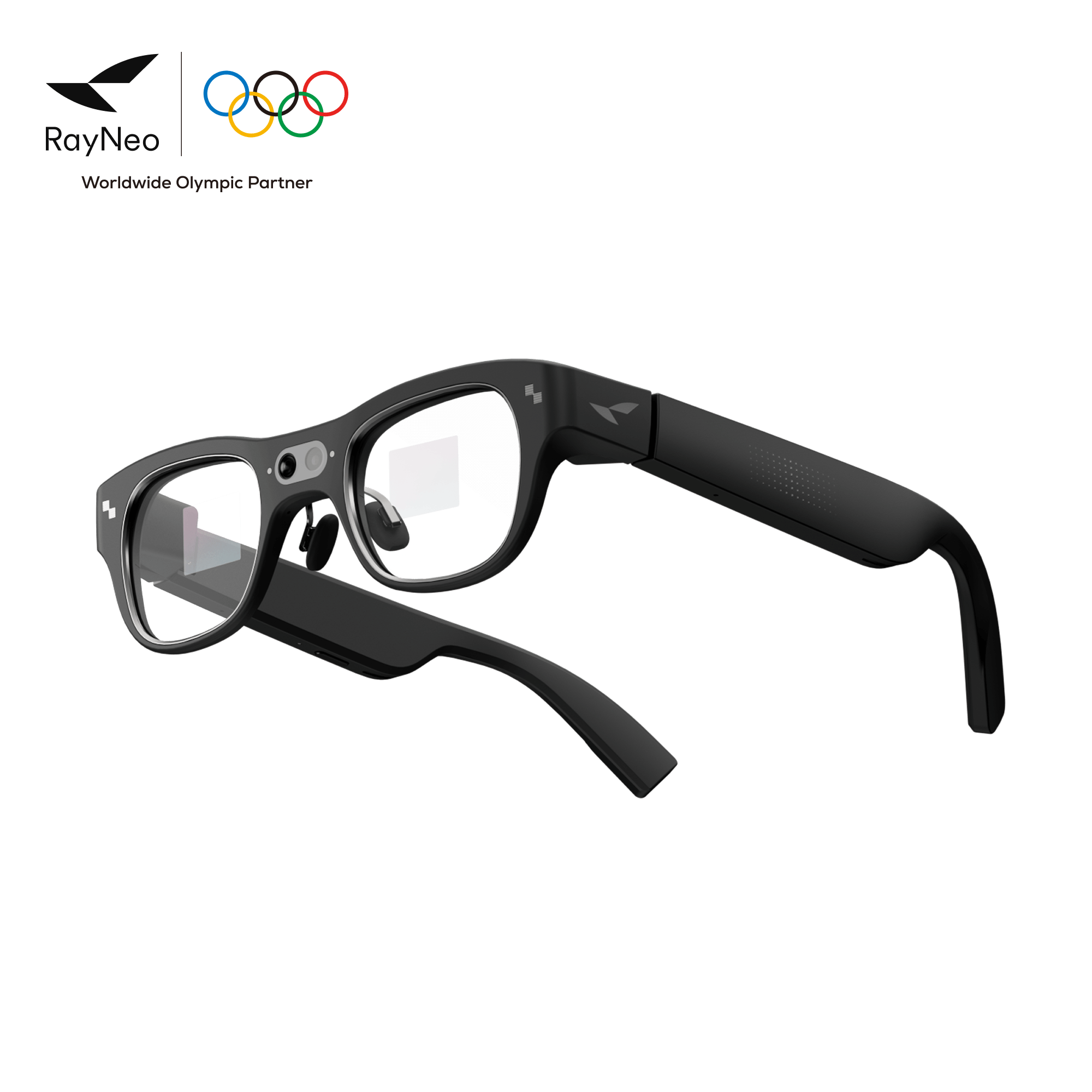
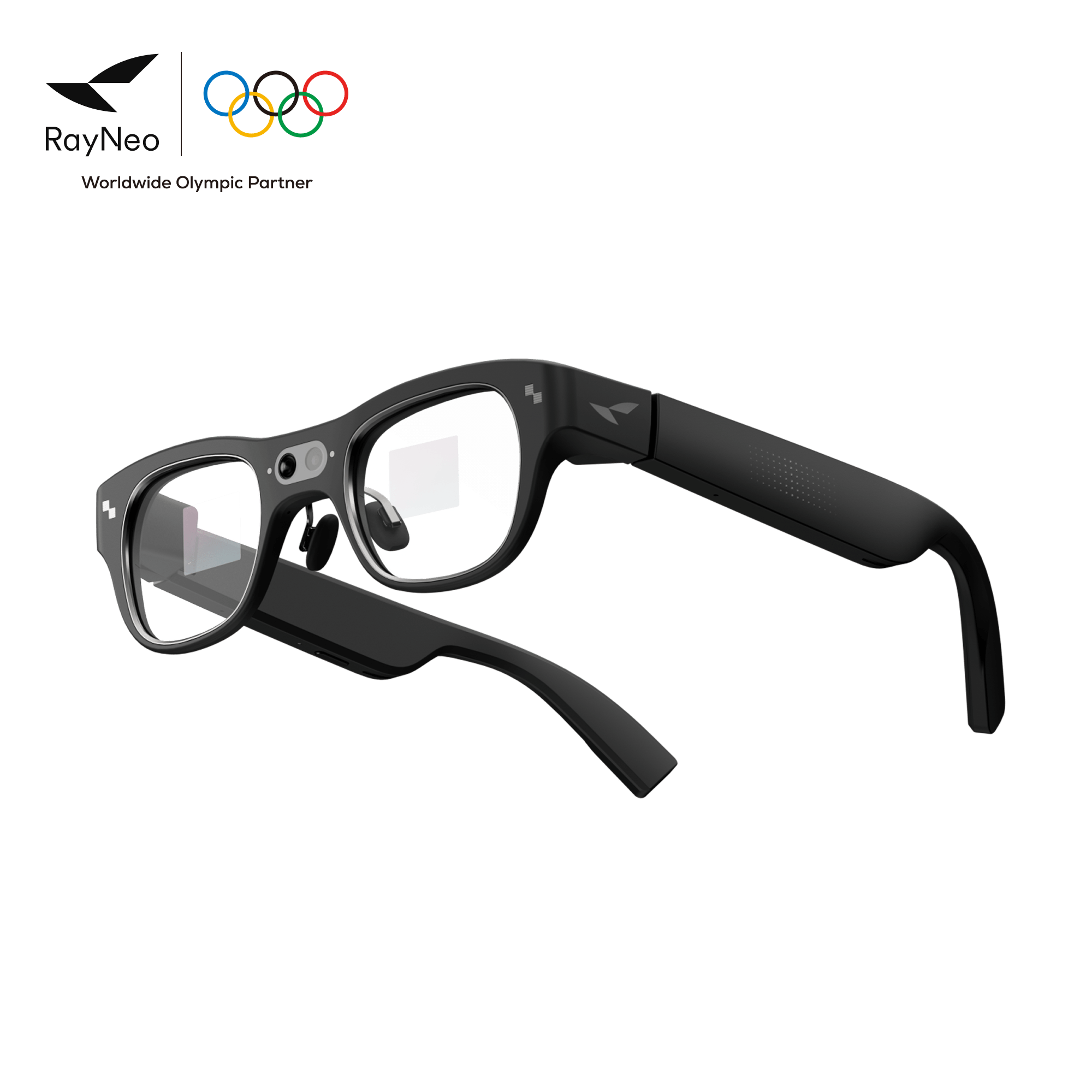
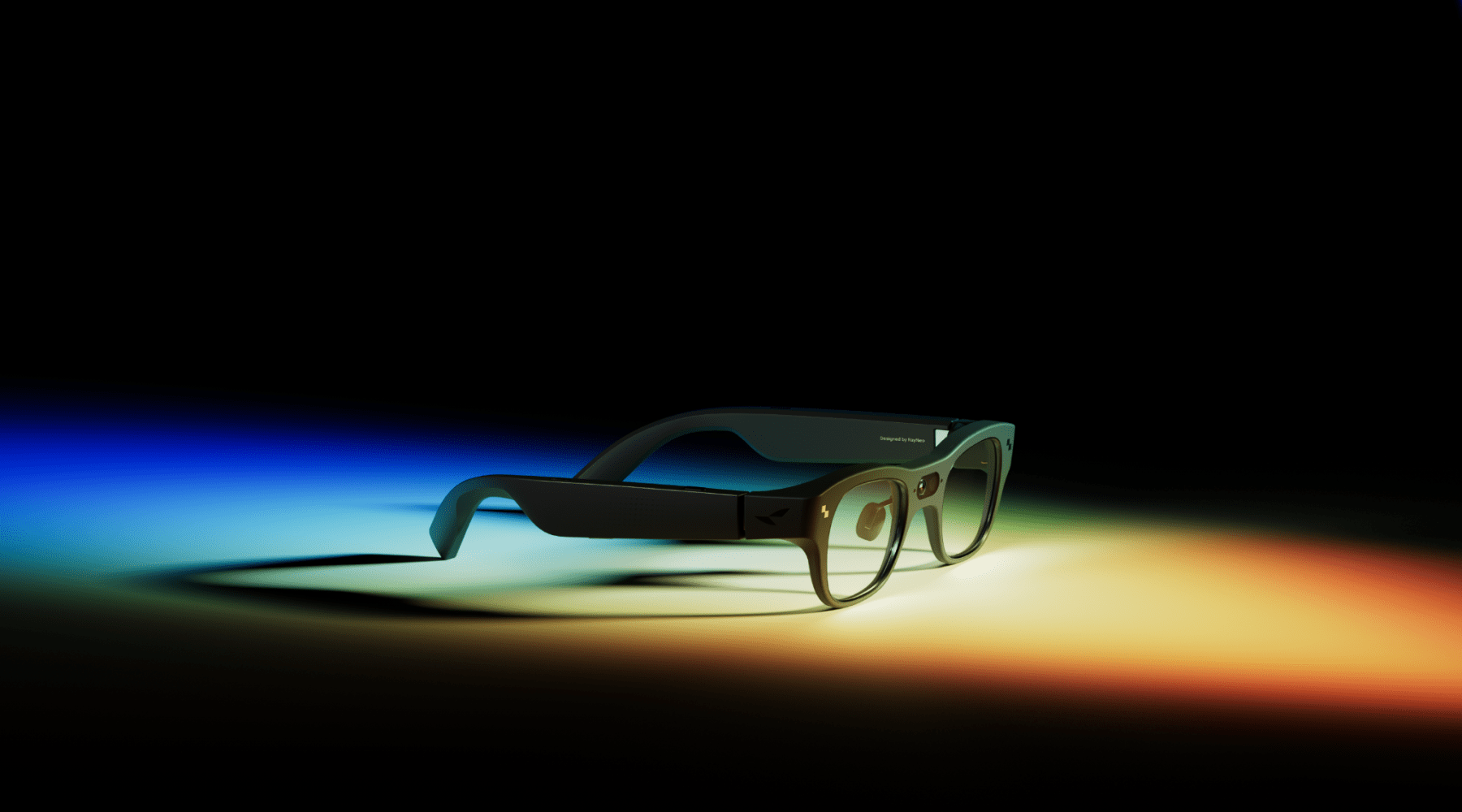
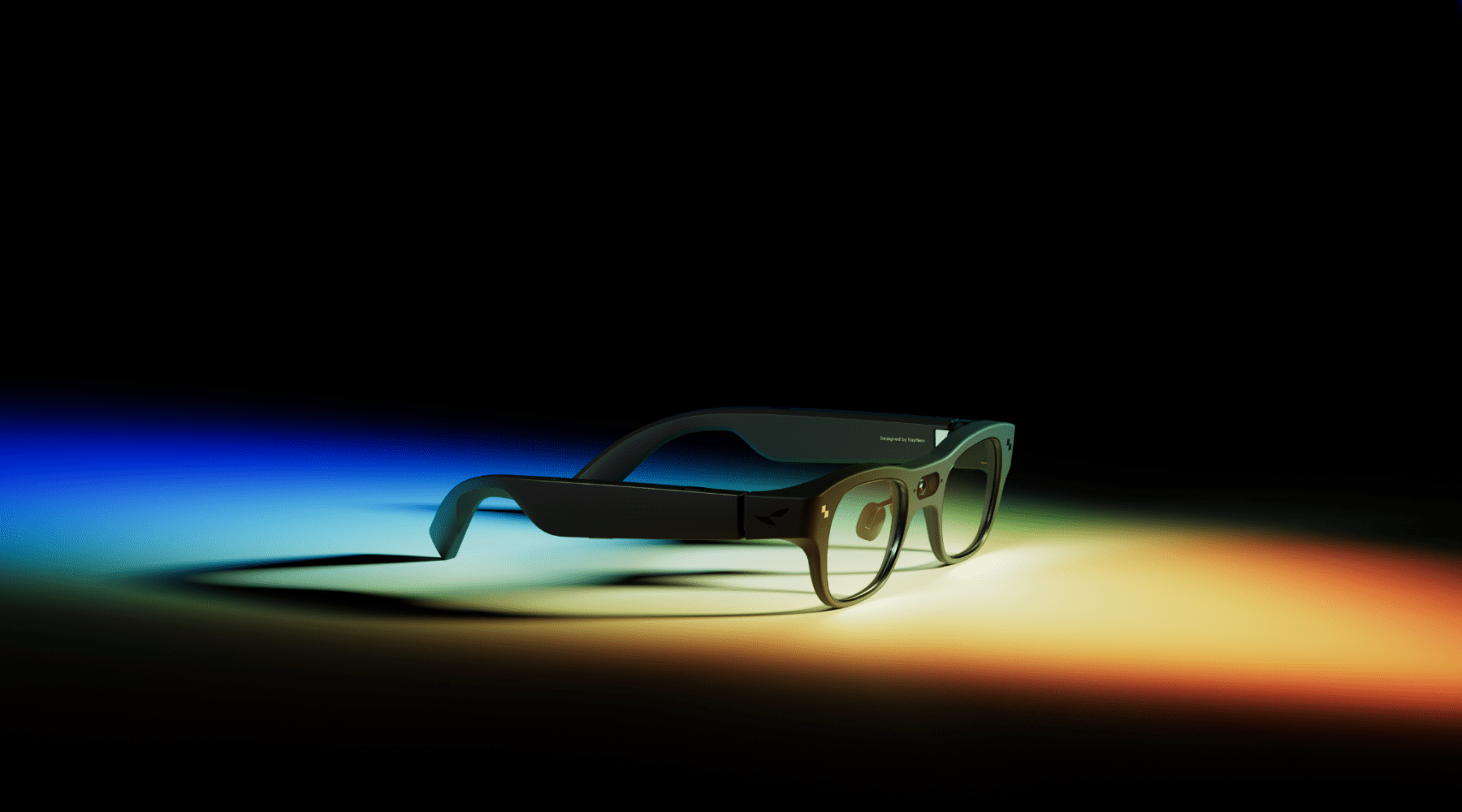
The RayNeo X3 Pro are AI-powered AR smart glasses featuring a Qualcomm Snapdragon AR1 Gen 1 chipset and a 640x480 full-color MicroLED display. They run RayNeo AI OS with a 3D spatial interface and integrate Google Gemini AI for always-on assistance, including global 14-language text and audio translation. The glasses support an AR app ecosystem with popular apps like TikTok and WhatsApp, offer audio-to-text transcription, real-time head-up navigation with color display, and seamless control including Apple Watch interaction. Prescription lens customization is available through global partners.
Images


Pros and cons
Pros
Strengths called out by generated product content.
- Impressive and advanced technology with AI capabilities
- Full color micro-LED waveguide displays with high brightness (2500 nits)
- Supports six degrees of freedom (6DOF) tracking, scene detection, gesture recognition, and AR capture
- Powered by Qualcomm Snapdragon AR1 Gen 1 chipset
- Ability to sideload Android apps
- Useful features like voice assistant, navigation, and real-time translation
- Relatively practical for daily use compared to some other AR glasses
- Good developer potential with hopes for stable SDK and community support
Cons
Tradeoffs and constraints to review before choosing.
- Battery life is very limited, around 30 minutes to 90 minutes depending on usage
- Bulky and thick design, not sleek or stylish
- Frames are taller and more distant from eyes than usual, causing some discomfort
- Display positioning issues causing parts of the screen to fall outside field of view
- Software is immature and unstable, causing usability problems
- Smartphone connectivity is spotty and unreliable at this early stage
- Limited usability due to battery and software issues
- No adjustable temple angles for better fit and comfort
- High price point (over $1300) compared to competitors with better specs
- Lack of manufacturer responsiveness to customer concerns
- No waterproof or splash resistance information, raising durability concerns
- Can get warm around the temples during heavy usage
Notes
Context that does not fit neatly as a pro or con.
- Design resembles standard glasses but is bulkier and thicker
- Compared unfavorably in battery life and field of view to competitors like Inmo Air 3
- Unclear if the product is aimed more at practical daily use or as a gimmick
- Awaiting software improvements and ecosystem development for full potential
- No official release date confirmed, with some delays reported
- No adjustable lenses or covers unlike some competing models
Release Date
Display Specs
- Display Resolution (per eye)
- 640 x 480
- Field of View
- 25 deg
- Brightness
- 6,000 nits
- Color Vibrancy
- Full-color MicroLED dual-eye display2
Dimensions
- USB-C Cable Length
- 1 m1
Weight
- Weight
- 76 g
- Weight without Shade and Cables
- 76 g
Battery
- Battery Location
- In the temple arms1
Processor & Compute
- Chipset
- Qualcomm Snapdragon AR1 Gen 1
Memory & Storage
- Memory
- 4 gb
- Storage
- 32 gb
Connectivity
Ergonomics & Fit
- Design
- Glasses form factor, One seamless lens, Slimmer profile2
Audio
- Sound System
- 3 x Mics with Narrow Beamforming, Dual Opposing Acoustic Chamber Audio
Software & Platform
Product Info & Variants
- Optional Accessories
- Custom Nose Pads, Glasses Cleaning Cloth, Portable Glasses Case, Prescription Lens1
Reference & Certification
- Warranty
- 13
Facts
- Use Environment
- Daily life, Education, Travel, Work1