XR glasses
Xreal Aura
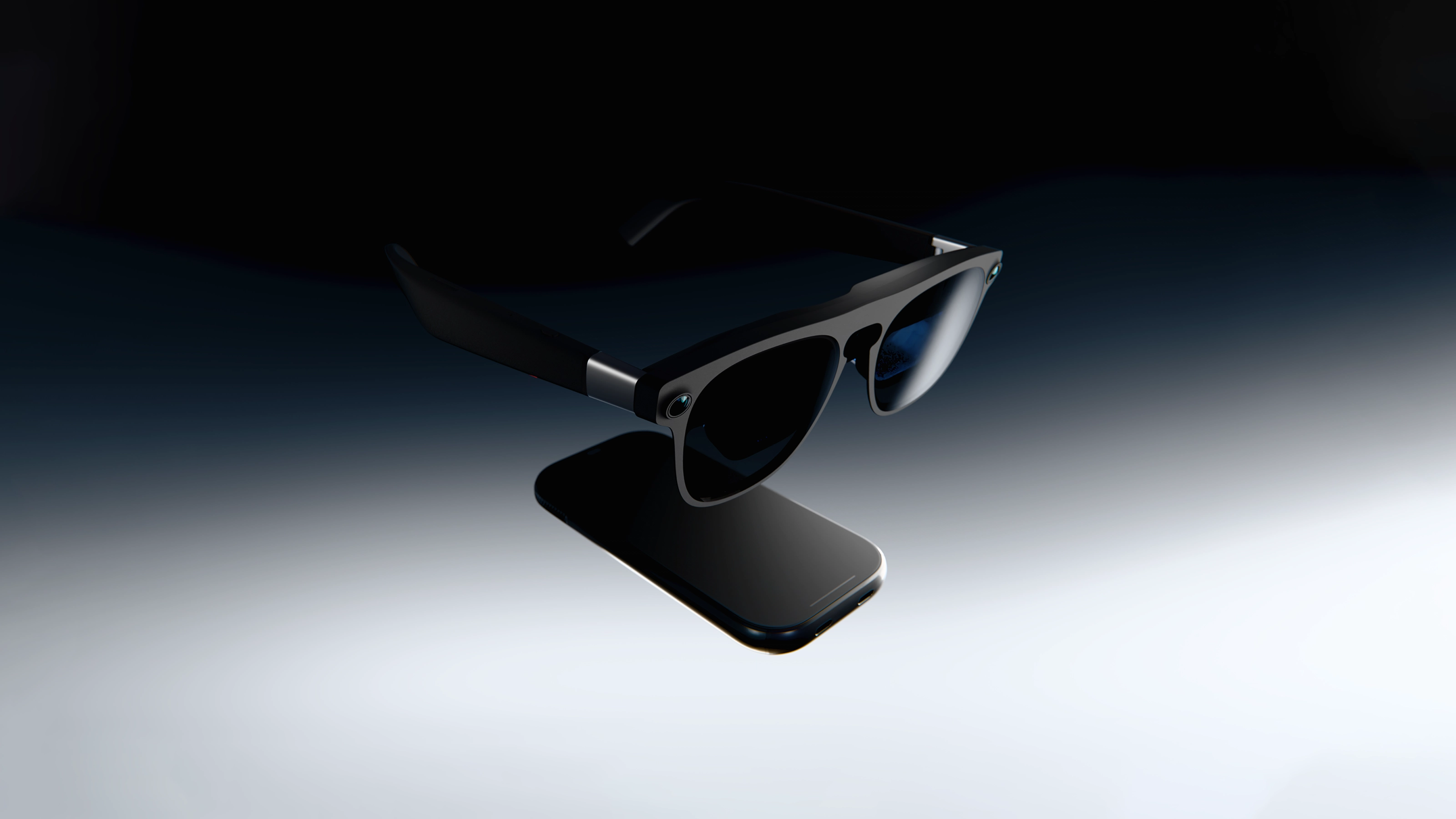
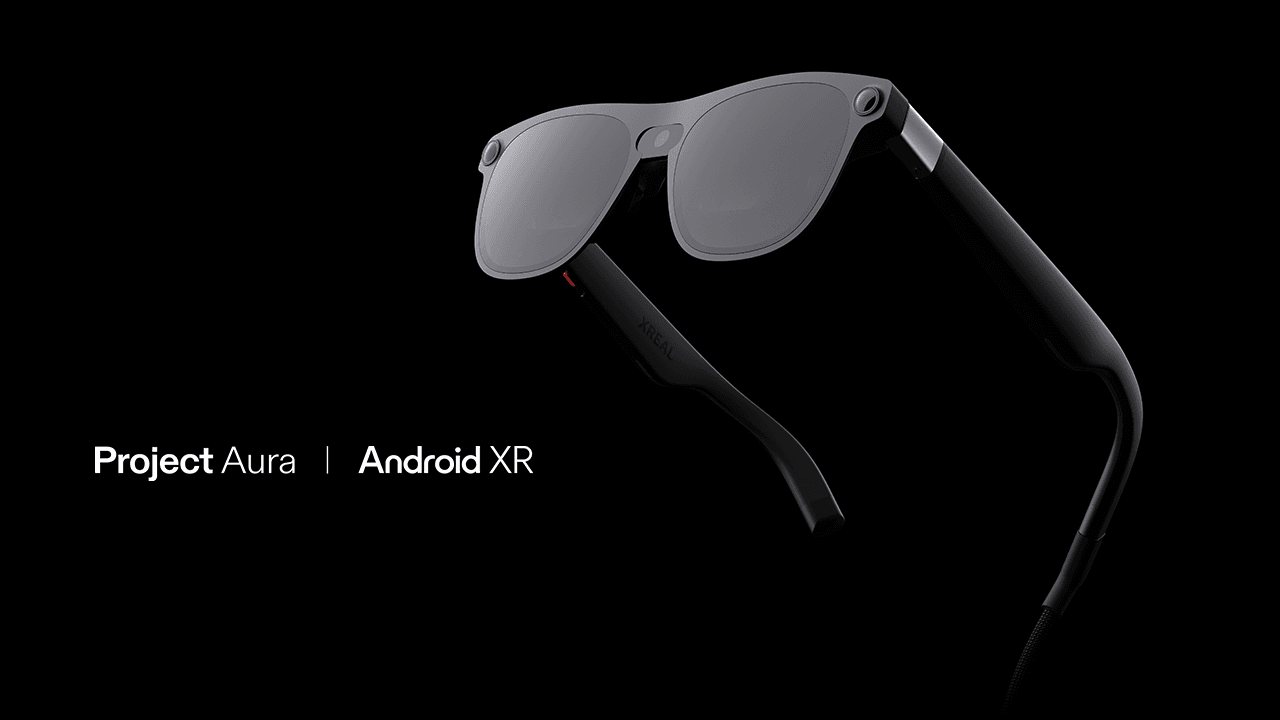
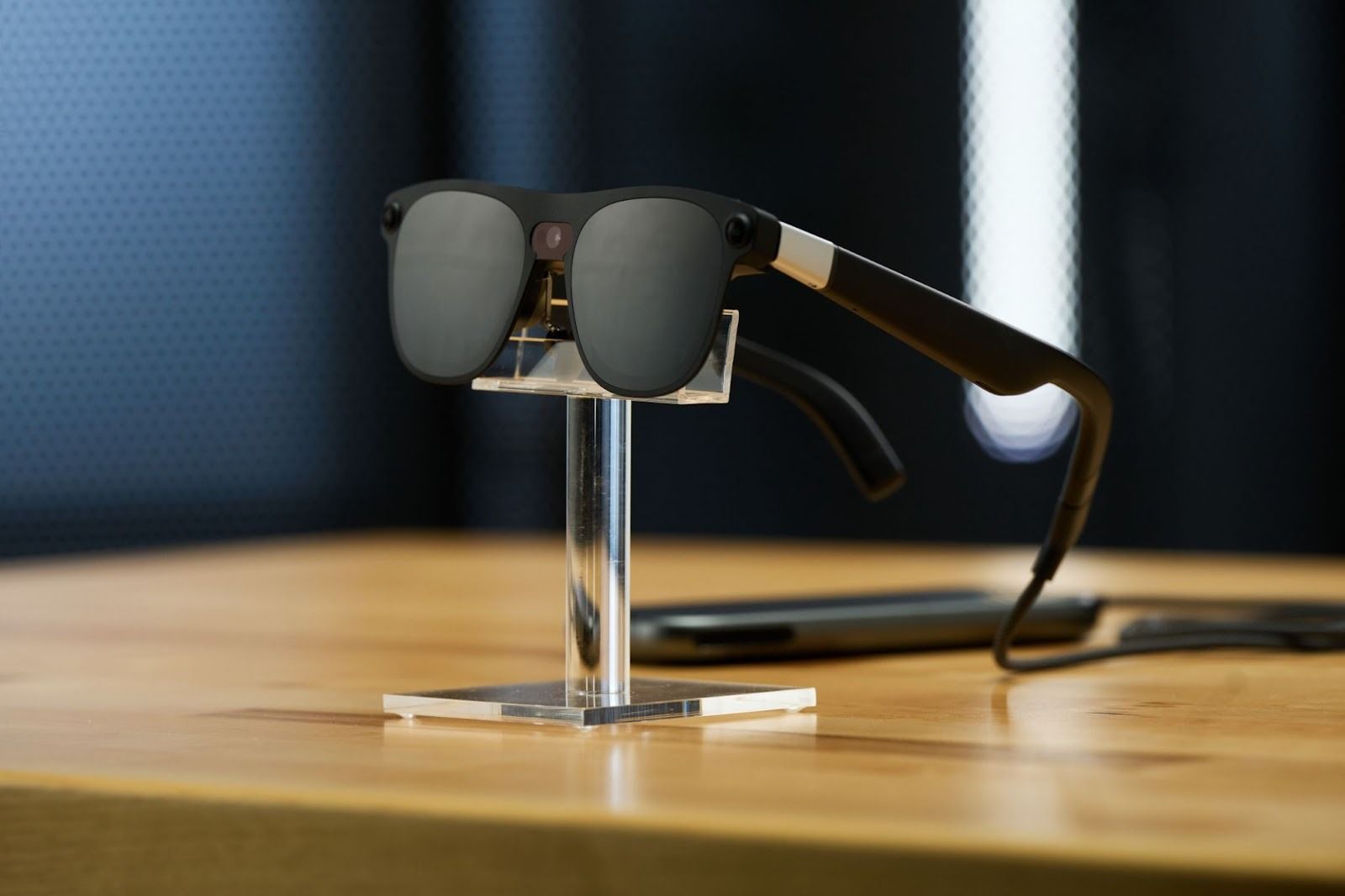
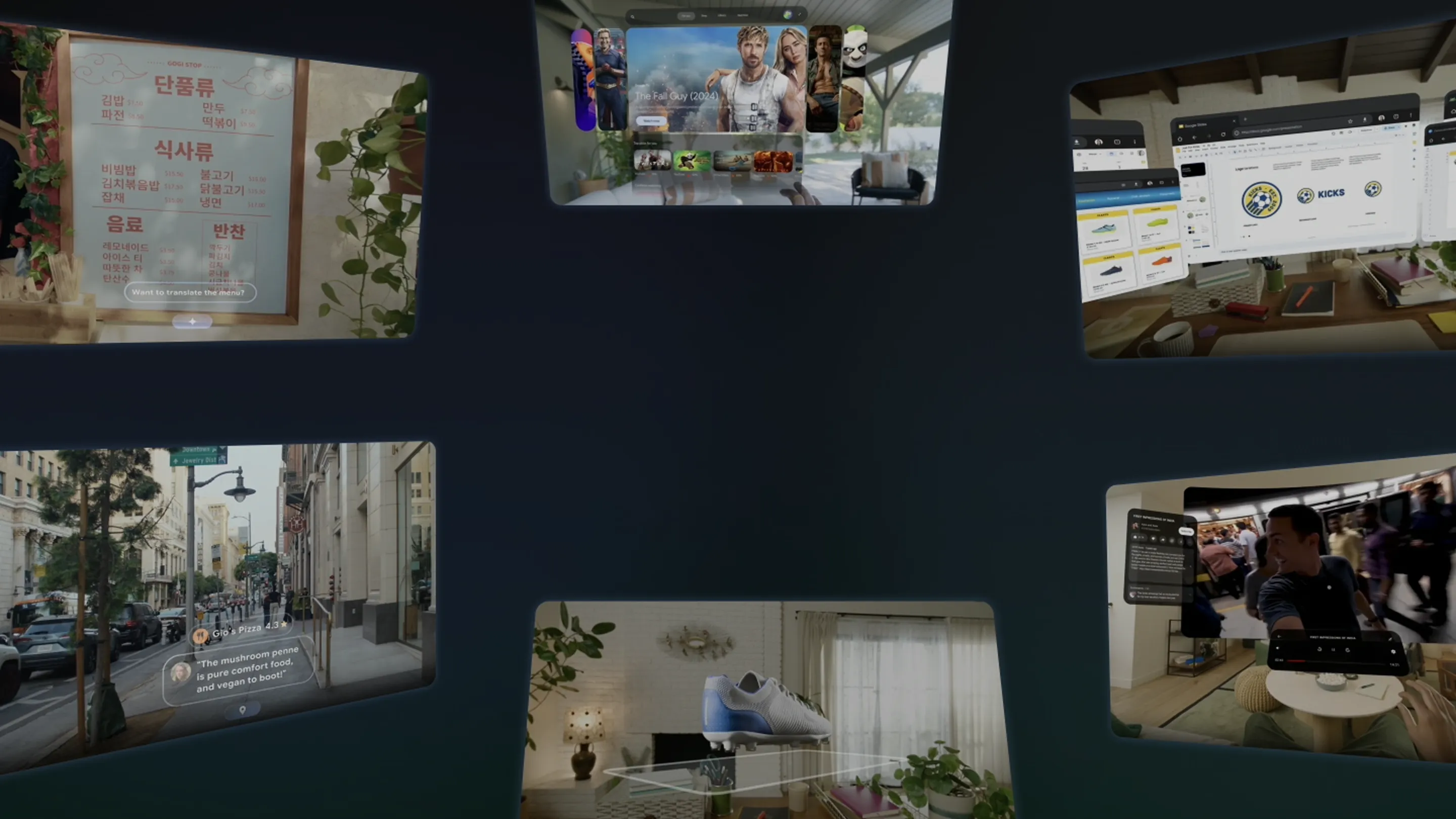
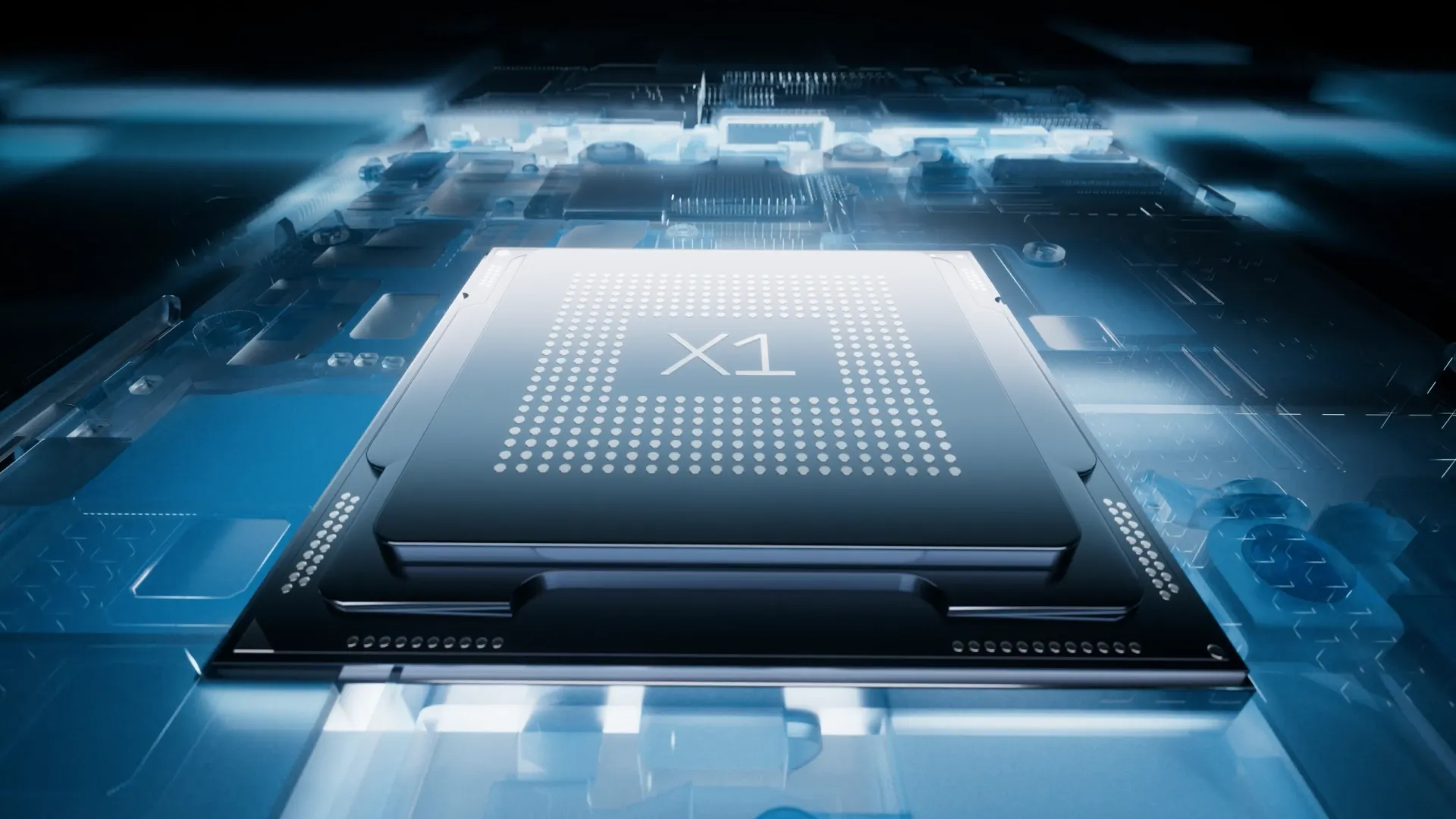
Xreal Aura is a wired XR glasses product built for the Android XR ecosystem, featuring a 70-degree optical see-through display, the X1S spatial computing chip, and a split-compute design with a tethered puck that holds the main compute and battery. It supports intuitive voice and hand-gesture input, runs millions of Android apps, and integrates with Google's Gemini AI assistant. The glasses include electronically-controlled dimming lenses adjustable from 0% to nearly 100%, enhancing immersive experiences. The design aims for a lightweight, portable, and comfortable form factor resembling sunglasses.
Images
Pros and cons
Pros
Strengths called out by generated product content.
- Largest field of view in AR glasses at 70 degrees
- More compact optics allowing eyes closer to the lens for a less goofy look
- Lightweight and comfortable due to tethered compute puck design
- Puck doubles as a trackpad for input
- Runs Android XR with Gemini AI integration
- Custom X1S spatial chip enables accurate AR tracking and hand tracking
- Hand tracking works well enough for pointing and clicking in apps
- Display is more impressive than other prism smart glasses
- Visually recognizable design resembling chunky sunglasses
- Partnership with Google brings strong software ecosystem
- Supports immersive AR experiences with real world background
- Potential for integration with laptops and other devices via puck
Cons
Tradeoffs and constraints to review before choosing.
- Real world appears fairly dim due to light loss through lenses
- Appearance still somewhat bulky and funky compared to normal glasses
- Room tracking can slip and drift before re-centering
- No eye tracking included
- Battery life remains uncertain and may be limited
- Requires carrying an external puck which may be inconvenient
- Look may not be socially acceptable to all users
- Some users concerned about wearing a visible 'badge' on their person
Notes
Context that does not fit neatly as a pro or con.
- Uses a tethered puck containing main compute and battery
- Design is deliberately thicker than usual temples and tinted lenses
- Runs a refreshed version of X1 chip called X1S
- Expected to be powered by Snapdragon XR2 Gen 2 in the puck
- Aims to bring AR and AI glasses worlds together
- Still early demo stage with potential for future improvements
Release Date
Display Specs
Dimensions
Weight
- Weight
- 75 g
Battery
Camera
Processor & Compute
- Chipset
- Qualcomm Snapdragon, Qualcomm Snapdragon (in tethered puck), Qualcomm Snapdragon processor, X1S spatial computing chip4
- Processor in Glasses
- XREAL’s custom-designed X1S spatial computing chip
- Compute Architecture
- Split-compute design with tethered puck housing main compute and battery1
- Compute Pack
- Tethered puck holding main compute and battery2
- Dual-CPU Configuration
- Yes4
Memory & Storage
- Memory
- 8 gb2
Connectivity
- Connectivity
- Wired connection1
Controls & User Interface
- Controls
- User Control
- hand-gesture input, voice input4
Ergonomics & Fit
- Form Factor
- Lightweight split-compute design1
- Frame Material
- Metal, Plastic
- Design
- Comfortable, Compact wearable form factor, Lightweight, Lightweight split-compute design, Portable, Puck doubles as trackpad, Split-compute design, Tethered compute puck, Tethered puck holds main compute and battery, Tethered XR glasses, Wired tethered XR glasses1
- Ergonomic Design
- Yes1
- Prescription Ready
- Yes2
Safety & Durability
- Safety Certifications
- CE, FCC2
Software & Platform
Product Info & Variants
- Notes
- 70° field of view optical see-through display, puck doubles as a trackpad, split-compute design, tethered puck holding main compute and battery, X1S spatial computing chip, 70-degree field of view, Designed for developer ecosystem and consumer/enterprise XR experiences, Features X1S spatial computing chip and Snapdragon dual-chip design, First tethered XR glasses built for Android XR ecosystem, largest optical see-through display by XREAL, Launch planned for 2026, Lightweight split-compute design with tethered compute puck, Optical see-through display dims real world similar to sunglasses1
- Features
- Reference Design for Android XR Ecosystem, 70° field of view, Adaptive AI Assistant (Gemini), AI assistant Gemini integration, AI Integration, Android XR ecosystem compatibility, Audio, Camera, Developer tools available, Dual-Chip Design (X1S + Snapdragon), Hands-Free Control, Intuitive voice and hand-gesture input, Lightweight and portable, Optical see-through display, Split-Compute Design, Split-compute design with tethered puck, Tethered compute and battery puck doubles as trackpad, Tethered Compute Puck, Trackpad on Compute Puck, X1S spatial computing chip14
Visual & Optical
Reference & Certification
Facts
Sources
- Open
Source 1xreal.comxreal.com32 facts
Release YearRelease MonthRelease DayDiscontinuedDisplay Resolution (per eye)Display TypeField of ViewDisplay Device TypeWidthHeightSize LengthBattery Hot SwapNo Built-in BatteryCompute ArchitectureCompute Device ProcessorConnectivityControlsForm FactorFrame StyleDesignErgonomic DesignPlatformDeveloper SDK AccessCompatibilityNotesFeaturesOpticsEye DisplayAngle of viewReference Design for Android XR EcosystemHeadset DesignDisplay - Open
Source 3roadtovr.comroadtovr.com2 facts